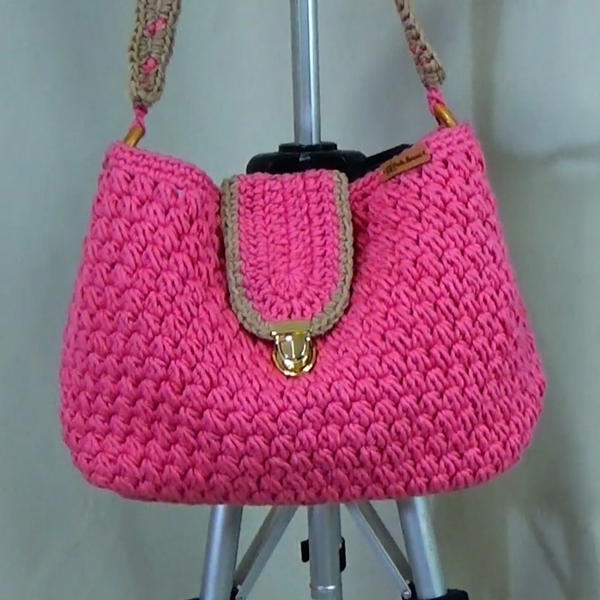
Brighten your style with the Free Crochet Granny Square Bag Pattern, a colorful and versatile accessory ideal for everyday wear and casual charm.
Transforming simple scraps of yarn into a stunning accessory that combines artistry, practicality, and eco-friendliness is at the heart of creating a crochet granny square bag. This pattern highlights how the timeless charm of granny squares can be elevated into a versatile and stylish bag suitable for everyday use, from shopping trips to casual outings.
Cute Crochet Granny Square Bag to Add Retro Charm
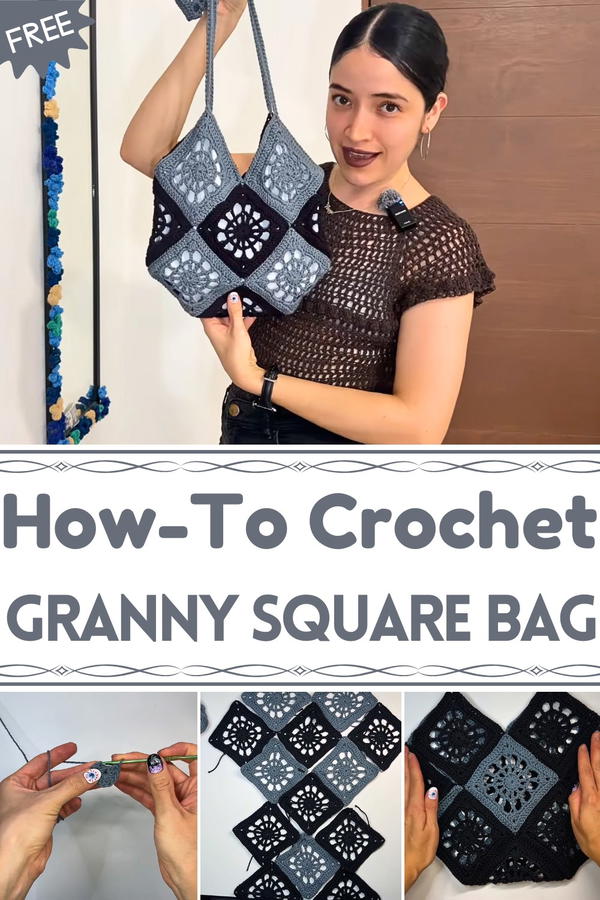
Beyond its aesthetic appeal, this project offers a gratifying experience of skills and customization, resulting in a truly unique piece. Whether enhancing your collection or gifting a handmade treasure, this free crochet granny square bag pattern seamlessly blends beauty, utility, and heartfelt creativity, making it an engaging and rewarding project for all skill levels.
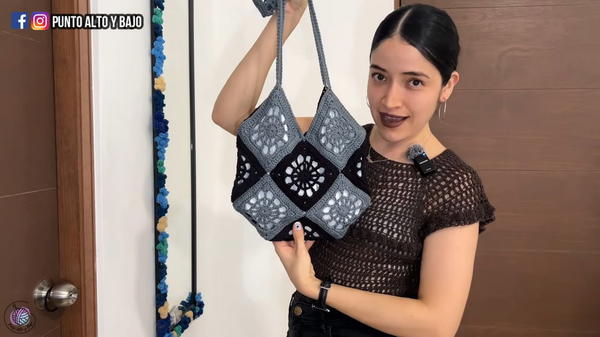
Designed to be accessible for both beginners and seasoned crocheters, the pattern begins with creating vibrant granny squares, each bursting with color and character.
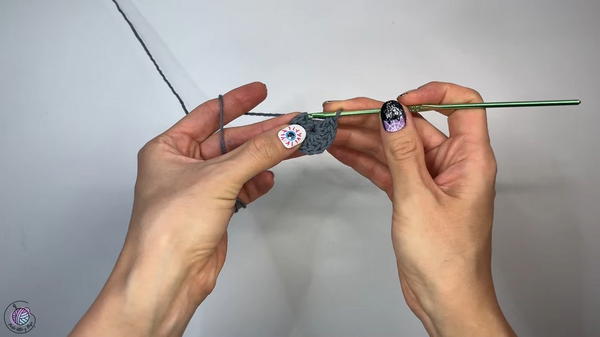
These individual squares are then skillfully joined to form the main body of the bag, with a sturdy lining added for durability and a simple, elegant strap that complements the colorful design.
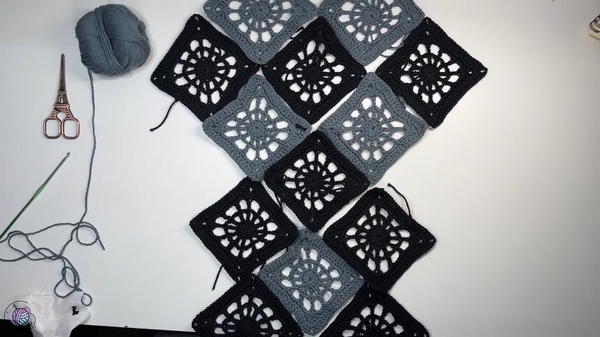
Selecting high-quality yarns ensures a polished finish and longevity, while the creative freedom in choosing color combinations allows for personalized expression.
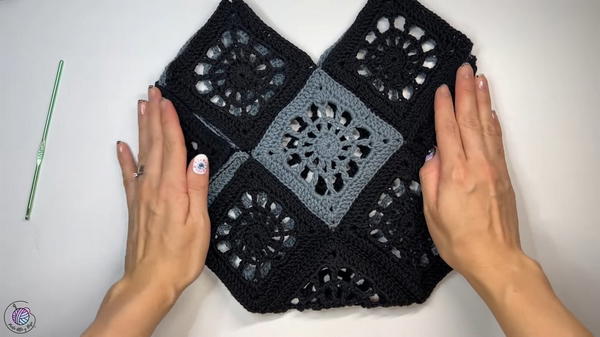
The finished bag is lightweight yet spacious enough to hold essentials, making it a practical accessory that also promotes sustainability by repurposing leftover yarns.
Uses and Level of Difficulty
Uses: Primarily demonstrated as a tote bag or pouch. The Granny Square motif itself can be used to create garments like blouses, cardigans, pants, or home items like curtains or table runners.
Level of Difficulty: Intermediate. While the stitches are basic (DC, SC, Sl St), the intricate pattern, exact stitch counts, and precise assembly method for joining multiple pieces require focus and careful execution.
Materials Used
Yarn: Cotton thread e.g., black and dark gray. The yarn thickness should be 2 mm.
Hook: A 3 mm crochet hook.
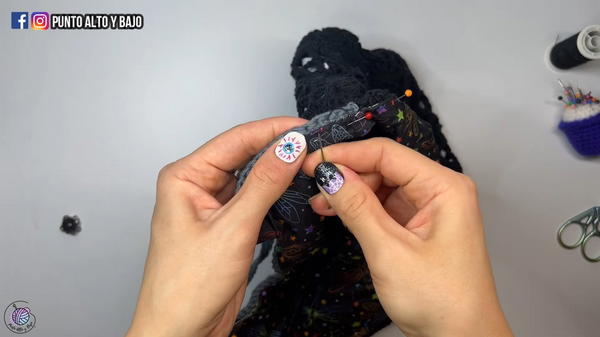
Optional: Fabric for lining, sewing needle and thread, and pins/tacks for blocking.
Special Features
Spiderweb Motif: The central design creates an open, web-like pattern in the first three rounds, which the tutor notes can also look like a flower.
Customizable Assembly: The joining technique (Slip Stitch Join) can be used to combine any type of Granny Square design to form the bag shape.
Finished Dimensions: Each completed Granny Square measures approximately 11 cm per side.
Tutor's Suggestions
Chain Counting: The initial two chains (ch 2) used to start each round count as the first Double Crochet (DC).
Closing Rounds: Always close the rounds with a Slip Stitch (sl st) into the second chain of the starting ch 2.
Blocking (Optional): Before joining the squares, the tutor highly recommends dampening the squares and pinning them flat overnight to a blocking board (or towel/mat) to help them hold a perfect square shape .
Joining Technique: When joining two squares, take only the back loop of the stitch on the front square and the back loop of the corresponding stitch on the back square to create a neat, raised seam.
Step-by-Step Construction Details
This tutorial guides you through crocheting a beautiful Spiderweb Granny Square and demonstrates how to join the squares to create a stylish bag or pouch. The method for creating and joining these squares can be applied to various garments and accessories.
Conclusion
The Granny Square bag is complete, showcasing the beautiful spiderweb motif and a sturdy, decorative seam created by the slip stitch joining method. A last the simple cord strap and optional fabric lining add the final functional touches to this handmade accessory.
Final Tip
When sewing the optional fabric lining into the bag, ensure you fold the raw edge of the fabric under by about half a centimeter (or 1 cm) before stitching it to the top opening of the crochet bag.