Bring ocean-inspired fun with the Free Crochet Octopus Amigurumi Pattern that adds playful charm, vibrant details, and a cute, cozy touch to any collection.
A gentle rhythm of yarn and hook can bring a small sea creature to life, turning simple materials into a charming companion. A crochet octopus amigurumi captures this magic, combining softness, whimsy, and personality in a single creation. Perfect as a gift, a decorative piece, or a comforting toy, this octopus adds playful charm to any space. Its intricate yet approachable construction makes it enjoyable to craft while producing a visually appealing result.
Playful Crochet Octopus Amigurumi Pattern Perfect to Share

This amigurumi is both functional and decorative, offering tactile comfort and visual charm. Beyond its aesthetic appeal, the project helps improve stitch consistency, shaping techniques, and attention to detail. This crochet octopus is a delightful creation that combines craftsmanship, playfulness, and a touch of underwater whimsy.
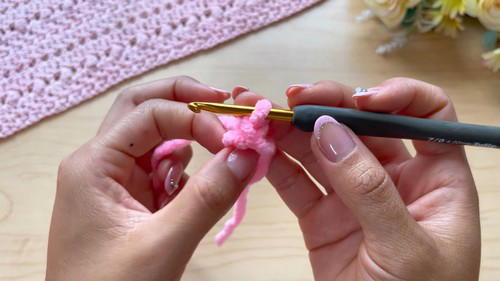
The creation begins with a magic ring to form the rounded head, followed by single crochet stitches worked in continuous rounds.
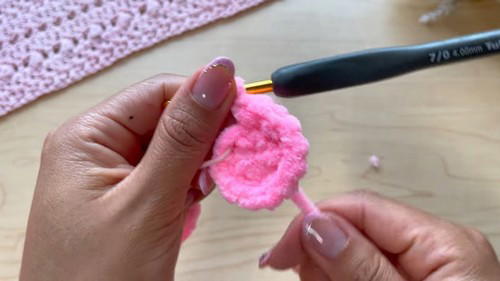
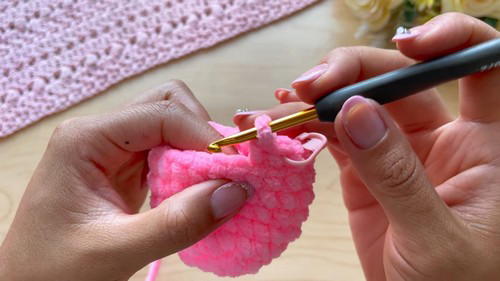
Eight tentacles are then crocheted individually using single and half-double crochet stitches, and they are securely attached to the body, curling naturally to give the octopus its signature look.
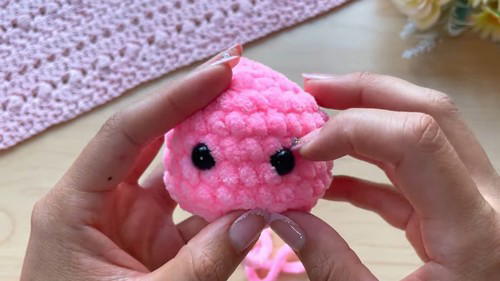
Small features such as eyes and a subtle mouth are added with embroidery or safety eyes, giving the figure character and expression. The stuffed body ensures a soft, huggable texture.
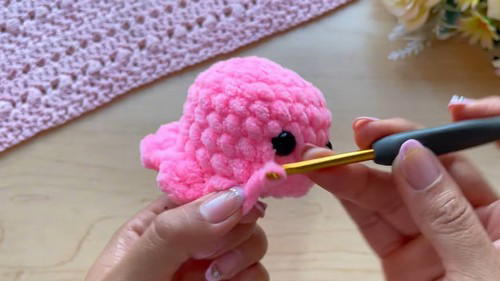
Special Features and Level of Difficulty
Level of Difficulty: Beginner to Intermediate. The pattern itself is simple, consisting mainly of increases and decreases. However, working with Chenille (or plush/felted) yarn is considered intermediate because the plush texture hides the stitches, requiring reliance on touch and specific techniques to prevent the stuffing from showing.
Special Features:
Plush Texture: The use of Chenille yarn results in an extremely soft, huggable, and velvety texture.
Hidden Tentacles: The tentacles are created using an edging that works into the front loops left unworked on the final rounds, giving the jellyfish a neat "skirt".
Working with Chenille Tips: The tutor provides specific techniques for successfully crocheting with this challenging yarn type, particularly regarding the Magic Ring and decreases.
Uses:
Nursery decor or mobile components.
Stress ball or squishy toy (due to the plush yarn).
Simple keychains or bag charms.
Materials and Tools and Tutor's Suggestions
Materials and Tools
Yarn (Lana): Plush or Felted Yarn.
Hook (Aguja): A 4.0 mm crochet hook is used, which is smaller than recommended on the yarn label to ensure tight stitches that contain the stuffing .
Tools:
Plastic tapestry needle.
Safety eyes (Ojos de seguridad): 10 mm with backs.
Stitch marker.
Fiberfill / Stuffing (Relleno).
Thin black yarn for embroidery.
Tutor's Key Suggestions
Yarn Quality: Be aware that some Chenille yarns are easily unraveled or damaged when pulle.
Magic Ring Tip: To successfully close the Magic Ring with plush yarn, ensure the starting chain (the initial chain of the Magic Ring) is made very loosely.
Working Technique: Work the stitches without tightening them too much. Use your fingers and touch to locate the next stitch, as the plush texture can hide the stitch loops visually.
Decrease for Chenille: When performing decreases (Round 9) on the back loop only, the tutor advises against the standard invisible decrease (working through front loops) and instead suggests the traditional decrease: inserting the hook, pulling up a loop, inserting the hook into the next stitch, pulling up a loop, and pulling through all three loops.
Step-by-Step Construction Details
This tutorial provides a complete guide for crocheting a small, beginner-friendly jellyfish (medusa) amigurumi using soft, plush Chenille yarn. The project focuses on techniques for working with this textured yarn, which can sometimes be challenging. The body is worked seamlessly, and the distinctive tentacles are added using a simple shell edging technique.
Conclusion
This project shows that you can conquer challenging materials with the right techniques, such as making loose Magic Rings and understanding decrease variations, making it an excellent basic guide to working with plush Chenille yarn. The final product is a beautifully soft, small jellyfish with distinctive shell-stitch tentacles, perfect for practice or as a cute gift.
Final Tip
When working with plush yarn, opt for a thin piece of contrasting yarn as a stitch marker instead of using a plastic clip. This alternative is less bulky and easier to manage with plush materials. The contrasting yarn can be located by touch, making it simple to find your place without visual strain. It helps you maintain an accurate stitch count without the hassle of constantly searching for the marker.